Tel: 010 500 7354

Drilling Rod Couplings Overview
A drilling rod coupling (also called a coupling sleeve) is a threaded component used to connect two drill rods together in top hammer drilling systems. Couplings transmit percussion energy, rotation, and thrust from one rod to the next while maintaining alignment of the drill string.
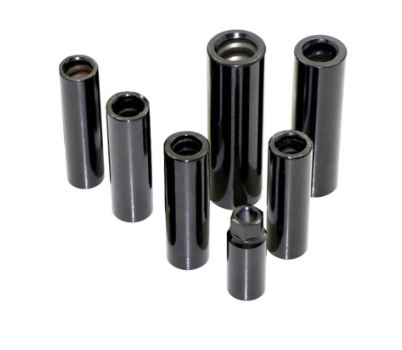
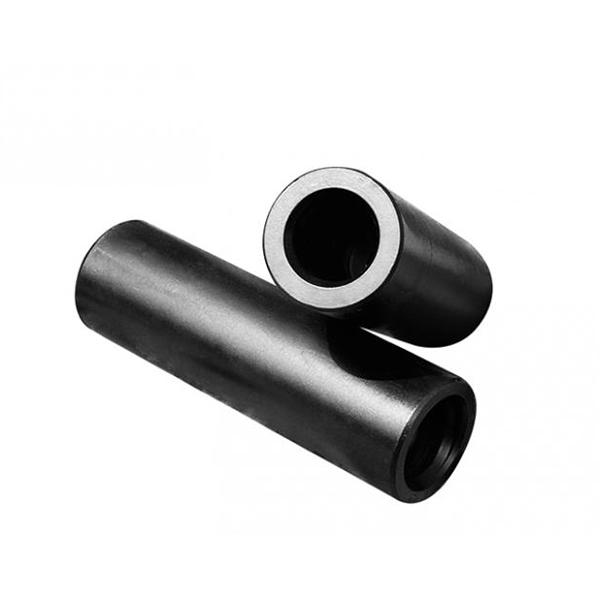
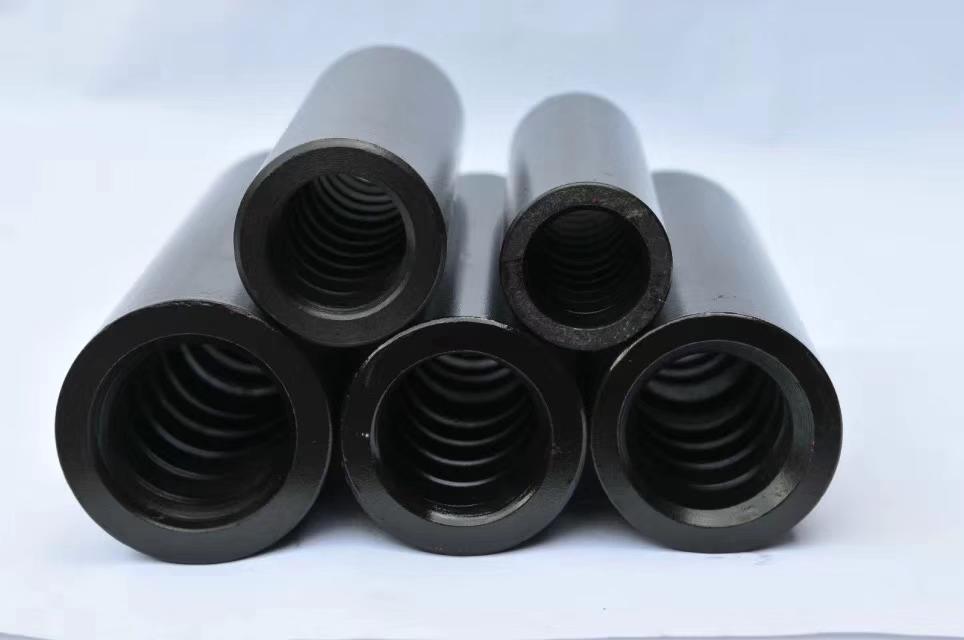
Functions of Couplings
- Connect drill rods securely.
- Transfer impact energy efficiently.
- Maintain drill string alignment.
- Reduce thread wear on drill rods.
- Enable extension of drill strings for deeper drilling.
Types of Couplings
Standard Couplings
Used to join rods with the same thread type and diameter.
Applications:
- Bench drilling
- Underground mining
- Quarrying
Semi-Bridge Couplings
Feature a small center stop to help position the rods correctly.
Benefits:
- Easier rod alignment
- Reduced thread damage
- Improved energy transfer
Full-Bridge Couplings
Contain a complete center bridge that prevents over-tightening.
Benefits:
- Enhanced thread protection
- Longer rod life
- Better alignment in demanding conditions
Adapter Couplings
Used to connect rods with different thread types or diameters.
Common Thread Types
The most common thread systems used in top hammer drilling include:
| Thread Type | Typical Applications |
|---|---|
| R22 | Light drifting and tunneling |
| R25 | Small-hole drilling |
| R28 | Underground mining |
| R32 | Bench and production drilling |
| R35 | Quarrying and mining |
| R38 | Long-hole drilling |
| T38 | Surface and underground drilling |
| T45 | Production drilling |
| T51 | Large-hole drilling |
| GT60 | High-performance surface drilling |
Materials and Construction
Drilling couplings are typically manufactured from:
- High-strength alloy steel
- Heat-treated steel for wear resistance
- Precision-machined threads
- Surface hardening for longer service life
These materials enable couplings to withstand extreme percussion forces and abrasive drilling conditions.
Advantages of Quality Couplings
Improved Energy Transfer
Well-manufactured couplings minimize energy loss between rods.
Extended Drill String Life
Proper alignment reduces stress on rods and threads.
Reduced Downtime
Durable couplings require less frequent replacement.
Enhanced Safety
Secure connections help prevent drill string failures.
Common Applications
- Open-pit mining
- Underground mining
- Quarry drilling
- Construction drilling
- Tunneling
- Rock excavation
- Geotechnical drilling
Signs of Coupling Wear
Inspect couplings regularly for:
- Worn or damaged threads
- Cracks or fractures
- Excessive elongation
- Corrosion
- Loss of thread engagement
- Difficulty in making up connections
Replacing worn couplings before failure helps prevent costly downtime and damage to drill rods.
Best Practices
- Keep threads clean and lubricated.
- Use the correct coupling for the thread type.
- Avoid over-tightening.
- Inspect couplings during every rod change.
- Replace damaged couplings immediately.
- Store couplings in a clean, dry environment.
Typical Industries Served
- Mining
- Quarrying
- Construction
- Tunneling
- Infrastructure Development
- Geotechnical Investigation
- Water Well Drilling
High-quality couplings are essential for maintaining drilling efficiency, maximizing energy transfer, and extending the lifespan of the entire drill string in demanding rock drilling operations.