Tel: 010 500 7354
DTH Drill Bits
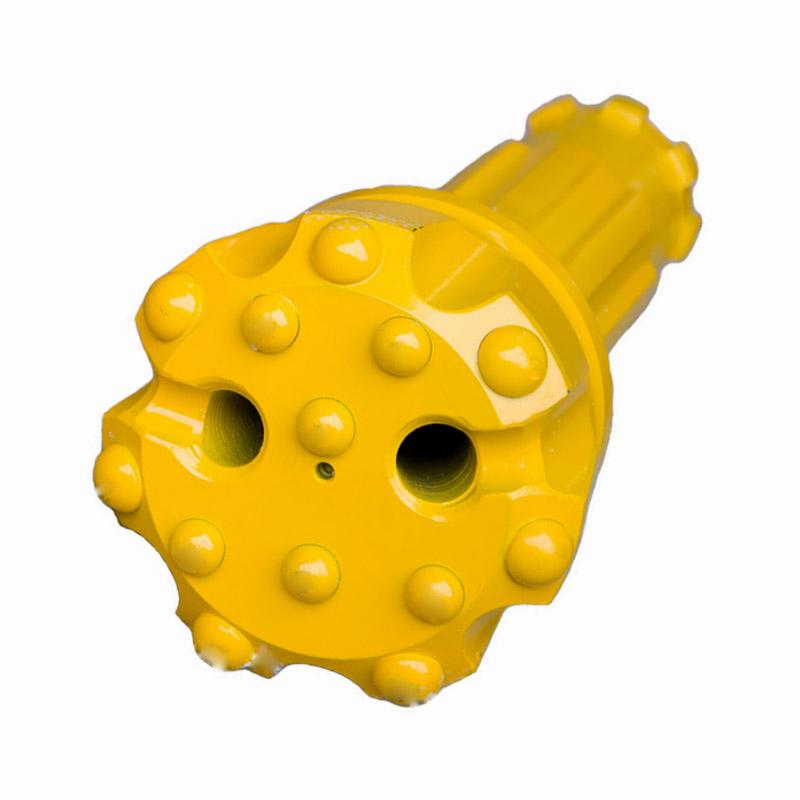
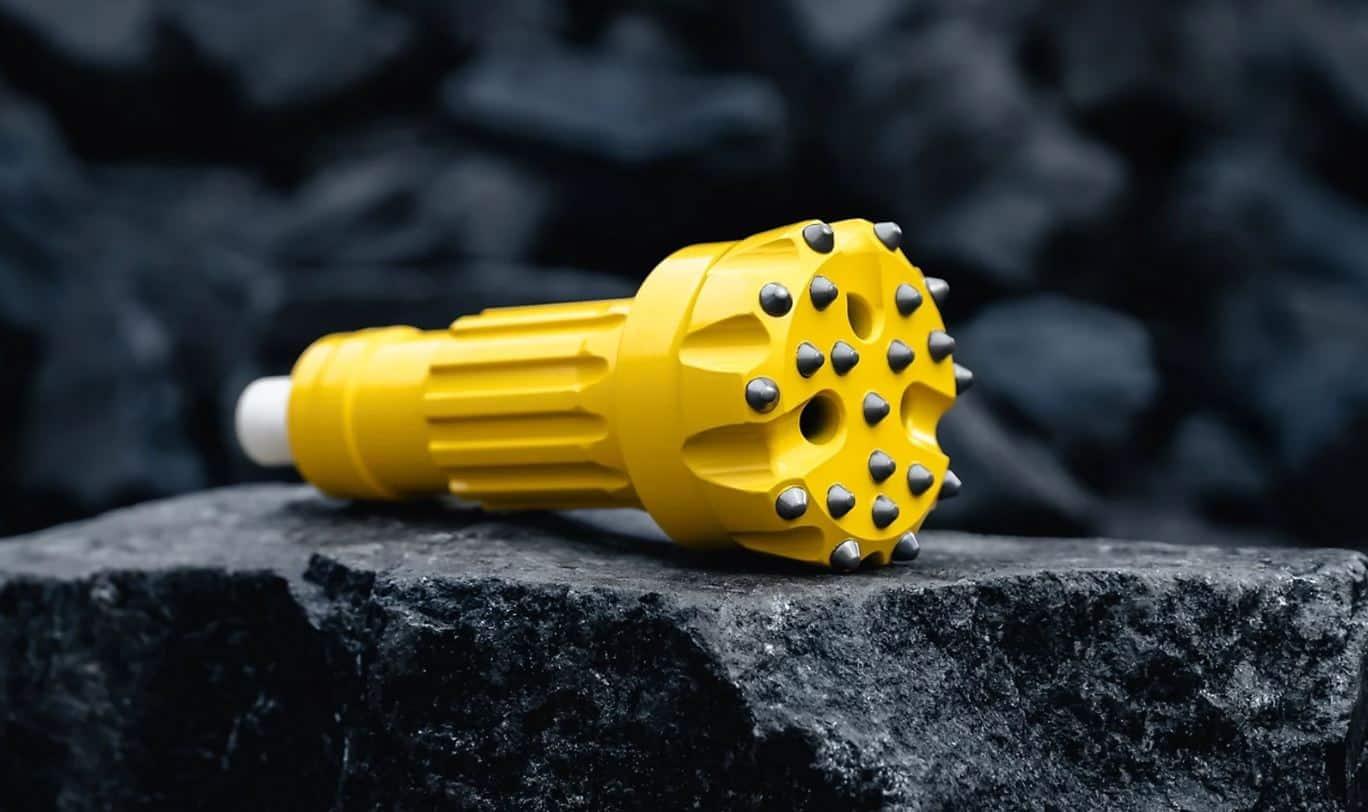
A DTH (Down-the-Hole) drill bit is a rock drilling tool attached to the front of a DTH hammer. It receives high-frequency impact energy from the hammer and transfers it directly to the rock, breaking and crushing the formation during drilling operations. DTH drill bits are widely used in mining, quarrying, construction, water well drilling, geothermal projects, and exploration drilling.
How DTH Drill Bits Work
The DTH hammer’s internal piston strikes the bit repeatedly, generating powerful impact energy. At the same time, the drill string rotates the bit while compressed air flushes rock cuttings from the hole.
This combination of:
- Percussion (impact)
- Rotation
- Air flushing
allows DTH bits to achieve high penetration rates and excellent hole quality in hard rock formations.
Main Components of a DTH Drill Bit
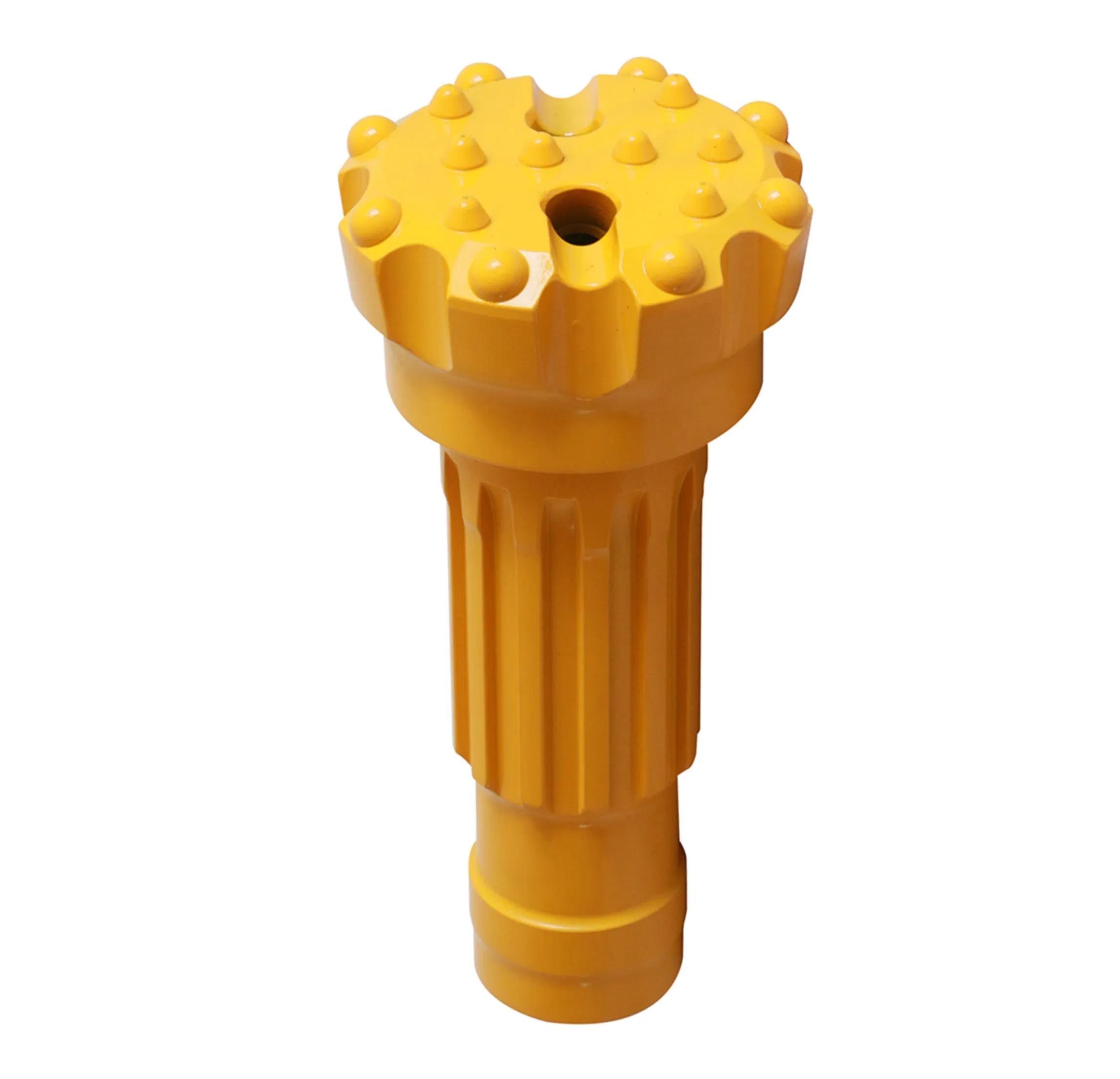
Bit Body
Manufactured from high-strength alloy steel to withstand severe drilling conditions.
Carbide Buttons
Tungsten carbide inserts positioned on the face and gauge of the bit to crush and fracture rock.
Flushing Holes
Channels that direct compressed air to remove drill cuttings and cool the bit.
Splines
Connect the bit securely to the DTH hammer and transmit rotational force.
Gauge Protection
Outer buttons that maintain hole diameter and reduce wear.
Types of DTH Bit Faces
Flat Face
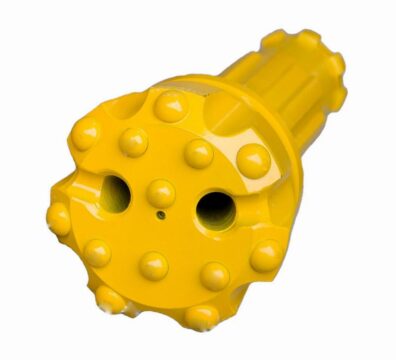
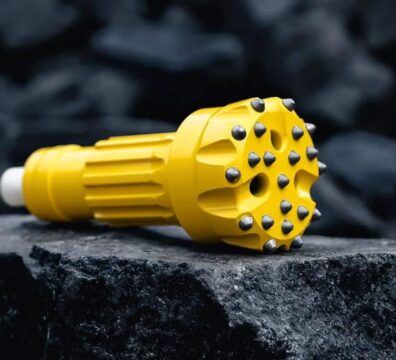
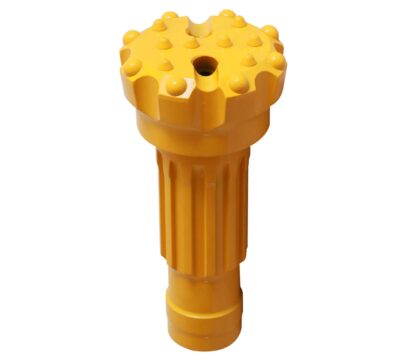
Features:
- Excellent hole straightness
- Good performance in hard and abrasive rock
- Simple and durable design
Applications:
- Granite
- Basalt
- Hard rock formations
Concave Face
Features:
- Superior hole straightness
- Excellent flushing characteristics
- High penetration rates
Applications:
- Medium to hard rock
- Deep-hole drilling
- Production drilling
Convex Face
Features:
- Fast penetration rates
- Lower resistance during drilling
- Effective in softer formations
Applications:
- Soft to medium-hard rock
- Overburden drilling
Drop Center Face
Features:
- Enhanced hole deviation control
- Improved drilling accuracy
Applications:
- Exploration drilling
- Precision drilling applications
Types of Carbide Buttons
Spherical Buttons
Advantages:
- Excellent wear resistance
- Long service life
- Suitable for highly abrasive rock
Ballistic Buttons
Advantages:
- Faster penetration rates
- Aggressive cutting action
Semi-Ballistic Buttons
Advantages:
- Balance between speed and durability
- Commonly used in mining operations
Common DTH Bit Sizes
| Hammer Size | Typical Bit Diameter |
|---|---|
| 2″ Hammer | 64–76 mm |
| 3″ Hammer | 76–95 mm |
| 4″ Hammer | 90–130 mm |
| 5″ Hammer | 115–165 mm |
| 6″ Hammer | 152–203 mm |
| 8″ Hammer | 203–254 mm |
| 10″ Hammer | 254–311 mm |
| 12″ Hammer | 311 mm+ |
Benefits of DTH Drill Bits
High Drilling Efficiency
Direct energy transfer results in excellent penetration rates.
Superior Hole Quality
Produces straight, accurate holes with minimal deviation.
Long Service Life
Premium carbide buttons resist wear and impact damage.
Lower Operating Costs
Efficient drilling reduces fuel, air consumption, and downtime.
Versatility
Suitable for a wide range of geological formations.
Common Applications
Mining
- Blast hole drilling
- Production drilling
- Open-pit mining
Quarrying
- Bench drilling
- Aggregate production
Construction
- Foundation drilling
- Anchoring
- Infrastructure projects
Water Well Drilling
- Boreholes
- Geothermal wells
Exploration
- Mineral exploration
- Geotechnical investigations
Maintenance Tips
- Sharpen or replace worn carbide buttons.
- Monitor gauge wear regularly.
- Keep flushing holes clear.
- Use correct air pressure and hammer settings.
- Inspect for cracks and excessive wear.
- Store bits in a clean, dry environment.
Factors Affecting Bit Performance
- Rock hardness
- Rock abrasiveness
- Air pressure
- Hammer efficiency
- Rotation speed
- Feed force
- Flushing effectiveness
- Bit face design
Selecting the Right DTH Bit
When choosing a DTH drill bit, consider:
- Hole diameter requirements
- Rock formation characteristics
- Hammer compatibility
- Required penetration rate
- Expected bit life
- Drilling depth
- Operating costs
Conclusion
DTH drill bits are essential components of Down-the-Hole drilling systems, delivering reliable performance, fast penetration rates, and excellent hole quality in mining, quarrying, construction, water well, and exploration applications. Proper bit selection and maintenance help maximize productivity, reduce operating costs, and extend tool life in demanding drilling environments.