Tel: 010 500 7354
Drilling Rods
Drilling rods are critical components in rock drilling operations. They connect the drilling machine to the drill bit and transfer impact energy, rotation, and feed force into the rock. High-quality drilling rods improve drilling efficiency, hole accuracy, and overall productivity while reducing operating costs.
What Are Drilling Rods?
A drilling rod is a steel tube or solid steel bar designed to withstand extreme impact, torsional stress, and bending forces during drilling operations. Rods are commonly used in:
- Mining
- Quarrying
- Construction
- Tunneling
- Geotechnical drilling
- Water well drilling
Types of Drilling Rods
1. Top Hammer Drill Rods
Used with hydraulic and pneumatic top hammer drills.
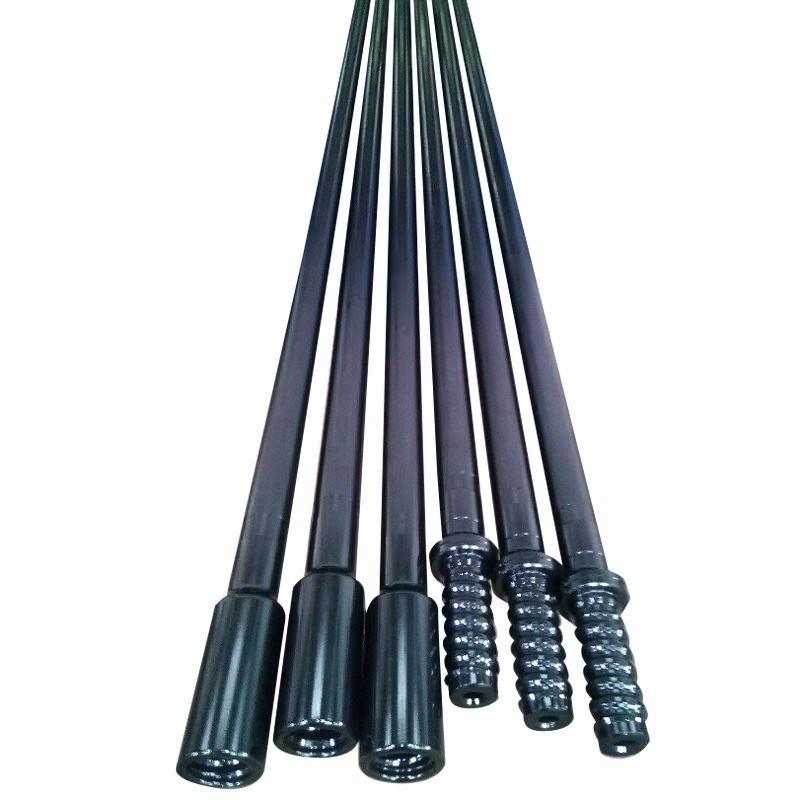
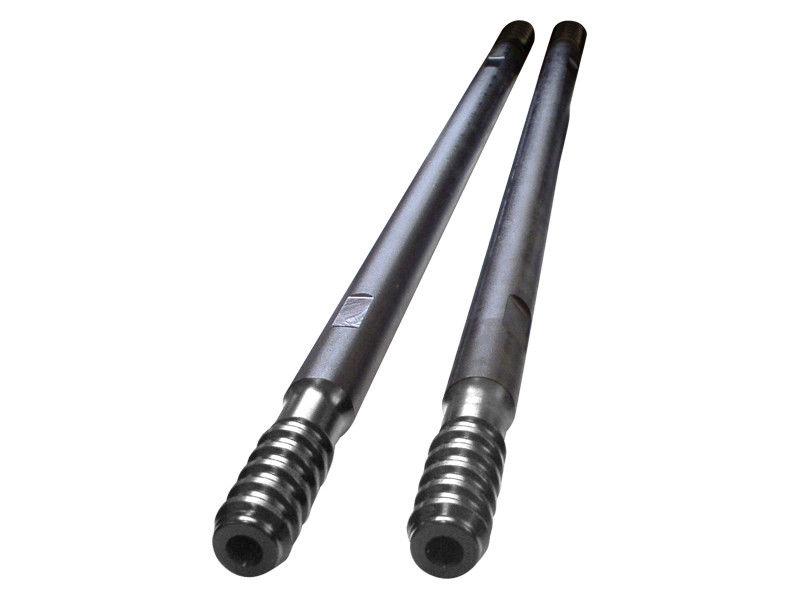
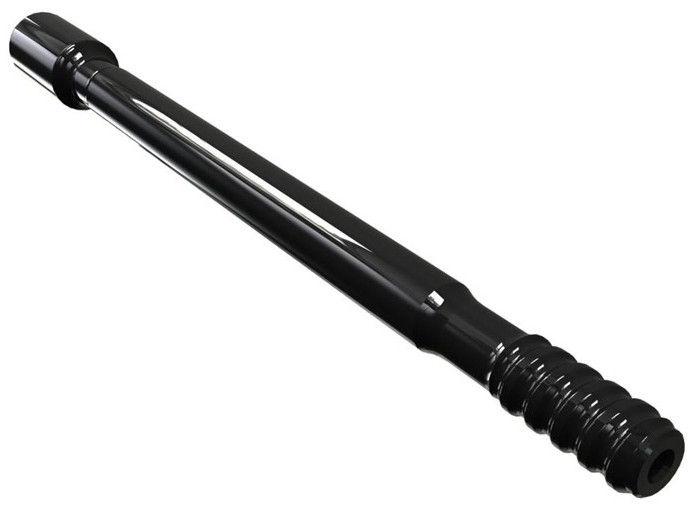
Features:
- High impact resistance
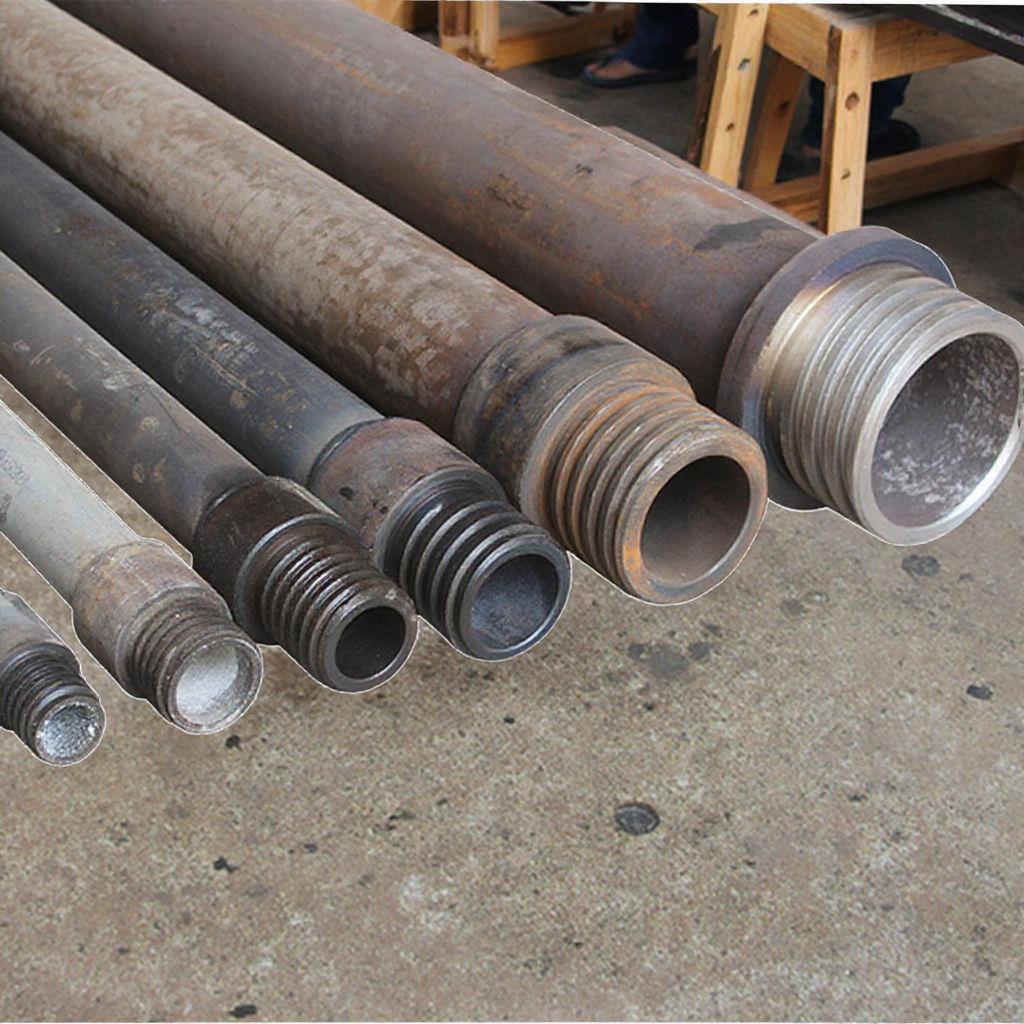
- Threaded connections
- Excellent energy transfer
- Suitable for surface and underground drilling
Common Thread Sizes:
- R25
- R28
- R32
- R38
- T38
- T45
- T51
- GT60
Applications:
- Bench drilling
- Production drilling
- Development drilling
- Tunneling
2. Extension Rods
Extension rods are used to increase drilling depth while maintaining hole accuracy.
Advantages:
- Longer drilling reach
- High penetration rates
- Reduced rod changes
- Better productivity
Common Lengths:
- 610 mm
- 915 mm
- 1220 mm
- 1830 mm
- 3050 mm
- 3660 mm
3. MF (Male/Female) Rods
MF rods feature a male thread on one end and a female thread on the other.
Benefits:
- Faster coupling
- Reduced wear
- Better energy transfer
- Longer service life
Common Sizes:
- T38 MF Rod
- T45 MF Rod
- T51 MF Rod
4. Speed Rods
Designed for faster drilling with reduced coupling time.
Advantages:
- Increased drilling speed
- Less downtime
- Improved productivity
- Reduced thread wear
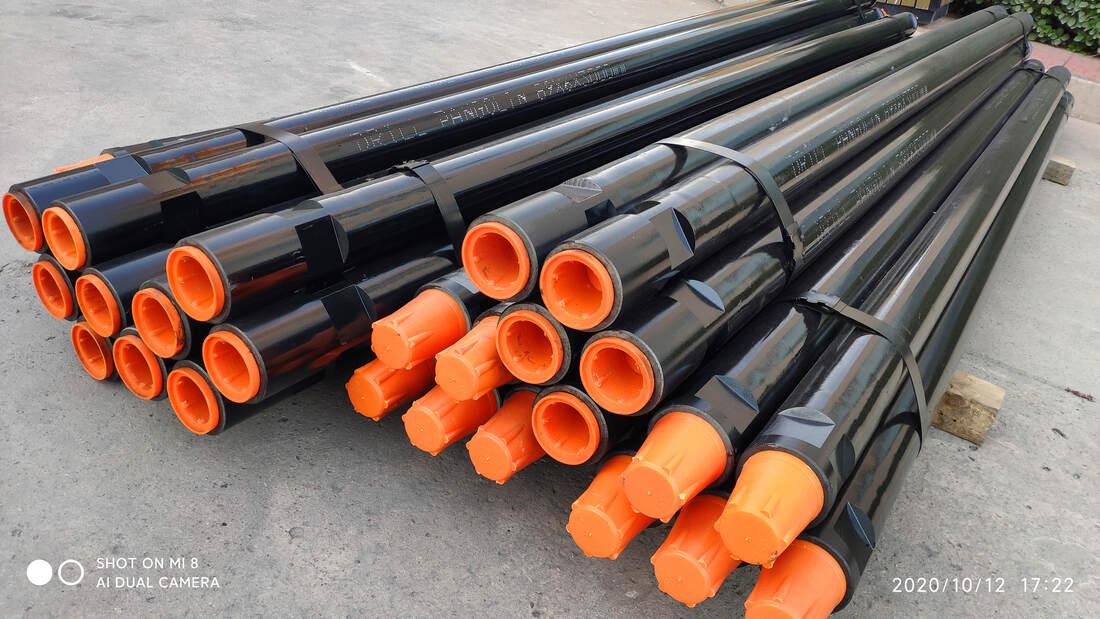
5. DTH Drill Pipes
Used in Down-The-Hole (DTH) drilling systems.
Features:
- High tensile strength
- Excellent air flow
- Durable threaded joints
- Suitable for deep-hole drilling
Common Sizes:
- 76 mm (3″)
- 89 mm (3½”)
- 102 mm (4″)
- 114 mm (4½”)
- 127 mm (5″)
Applications:
- Blast hole drilling
- Water wells
- Exploration drilling
- Geothermal drilling
Materials Used
Most drilling rods are manufactured from premium alloy steels that offer:
- High fatigue resistance
- Excellent toughness
- Superior thread strength
- Long service life
Common heat-treatment processes include:
- Carburizing
- Induction hardening
- Full-body heat treatment
Common Thread Types
| Thread Type | Application |
|---|---|
| R25 | Light drilling |
| R28 | Construction |
| R32 | Quarrying |
| R38 | Mining |
| T38 | Surface drilling |
| T45 | Production drilling |
| T51 | Large hole drilling |
| GT60 | Heavy-duty drilling |
Benefits of Quality Drilling Rods
- Higher penetration rates
- Reduced fuel consumption
- Longer equipment life
- Improved hole straightness
- Lower operating costs
- Increased productivity
Maintenance Tips
- Clean threads after each use.
- Apply quality thread grease.
- Inspect for cracks and wear.
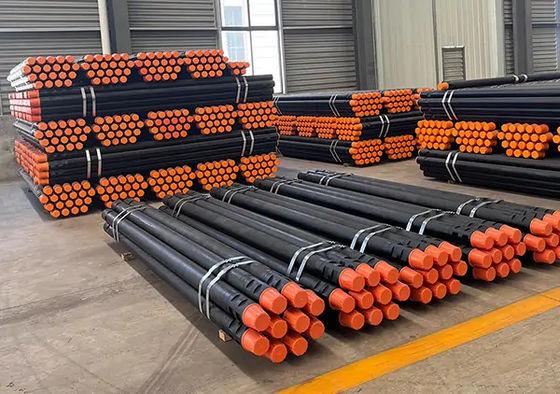
- Store rods horizontally on racks.
- Avoid over-tightening connections.
- Replace damaged rods immediately.
Industries That Use Drilling Rods
- Open-pit mining
- Underground mining
- Quarry operations
- Road construction
- Tunneling projects
- Water well drilling
- Geotechnical investigations