Tel: 010 500 7354

DTH (Down-the-Hole) Hammers Overview
What is a DTH Hammer?
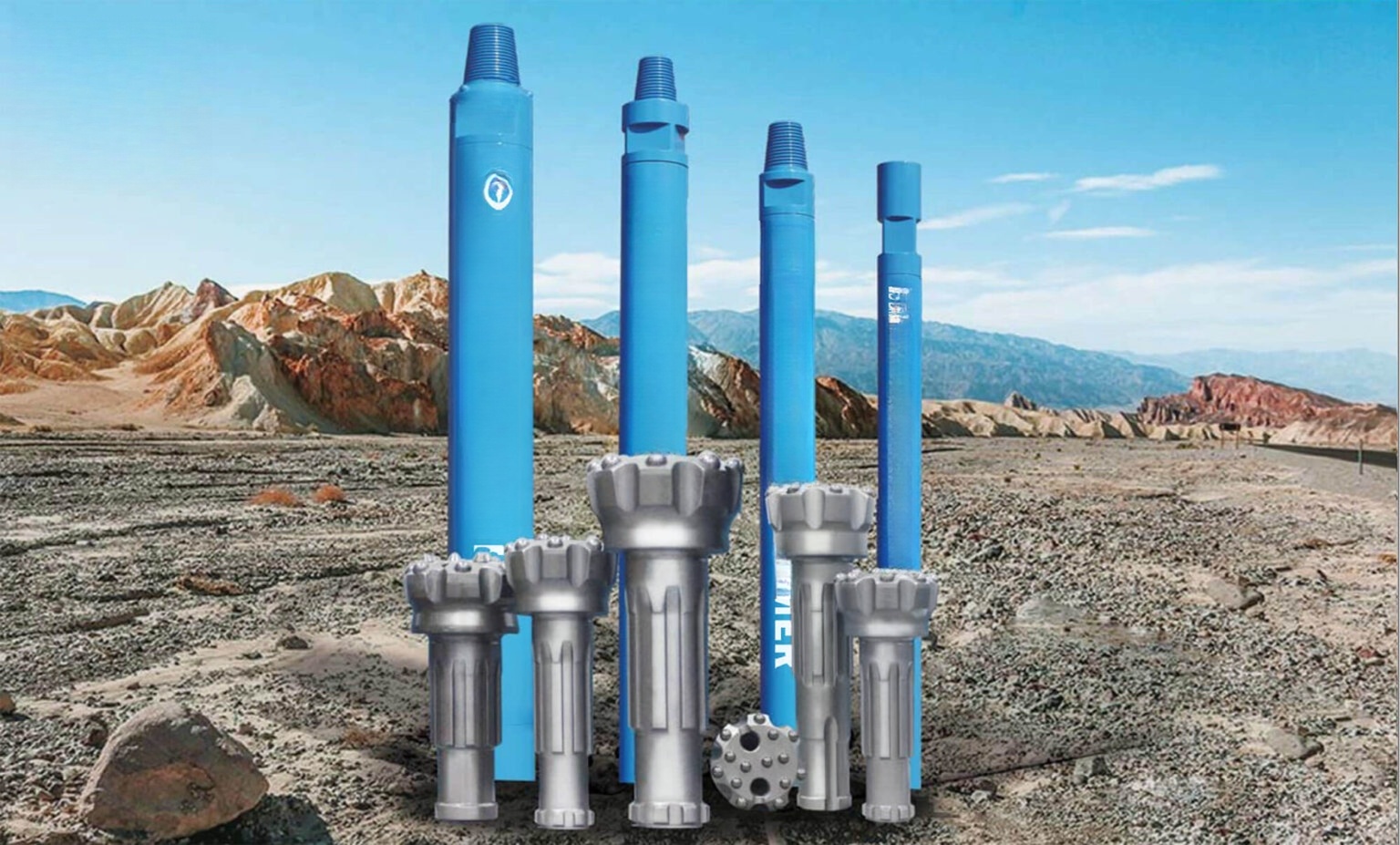
A Down-the-Hole (DTH) hammer is a pneumatic percussion drilling tool used in mining, quarrying, water well drilling, construction, geotechnical drilling, and exploration projects. Unlike top hammer drilling systems, the hammer is located directly behind the drill bit at the bottom of the hole, delivering powerful impact energy directly to the rock face.
How DTH Drilling Works
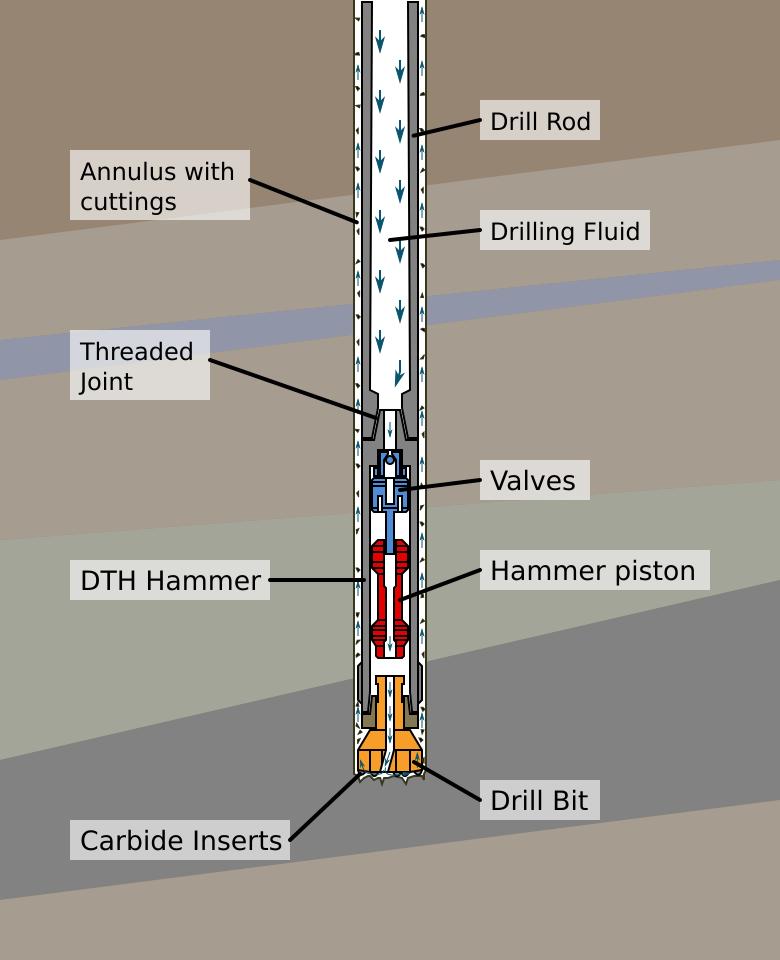
- A compressor supplies high-pressure air to the hammer.
- The air drives an internal piston inside the hammer.
- The piston repeatedly strikes the drill bit.
- Impact energy is transferred directly into the rock.
- Exhaust air removes rock cuttings from the hole.
This method provides efficient penetration in hard rock formations while maintaining excellent hole straightness.
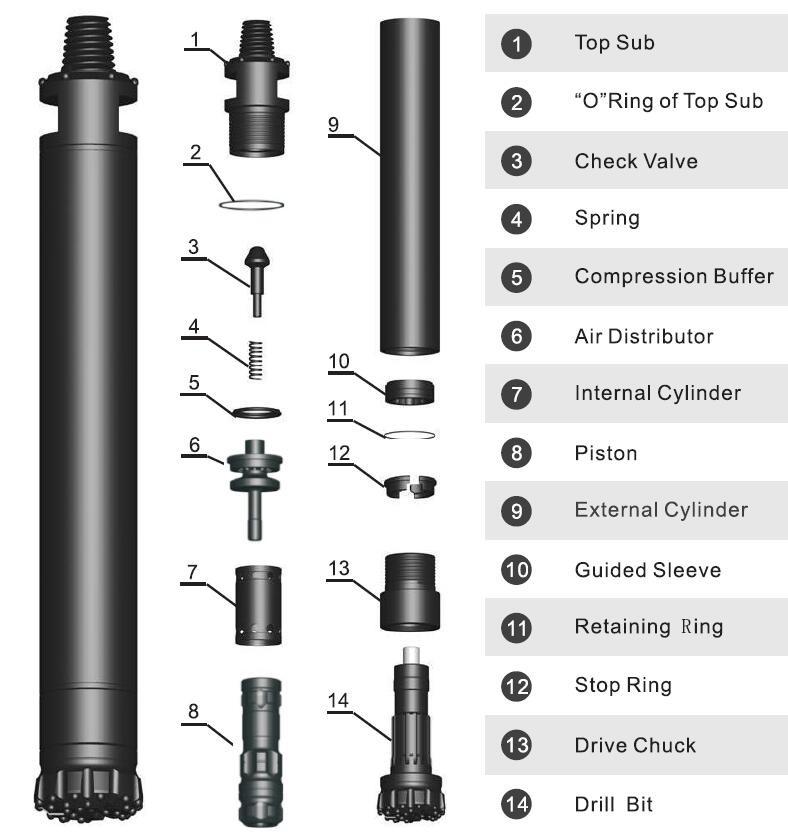
Main Components of a DTH System
1. DTH Hammer
The percussion mechanism that generates impact energy.
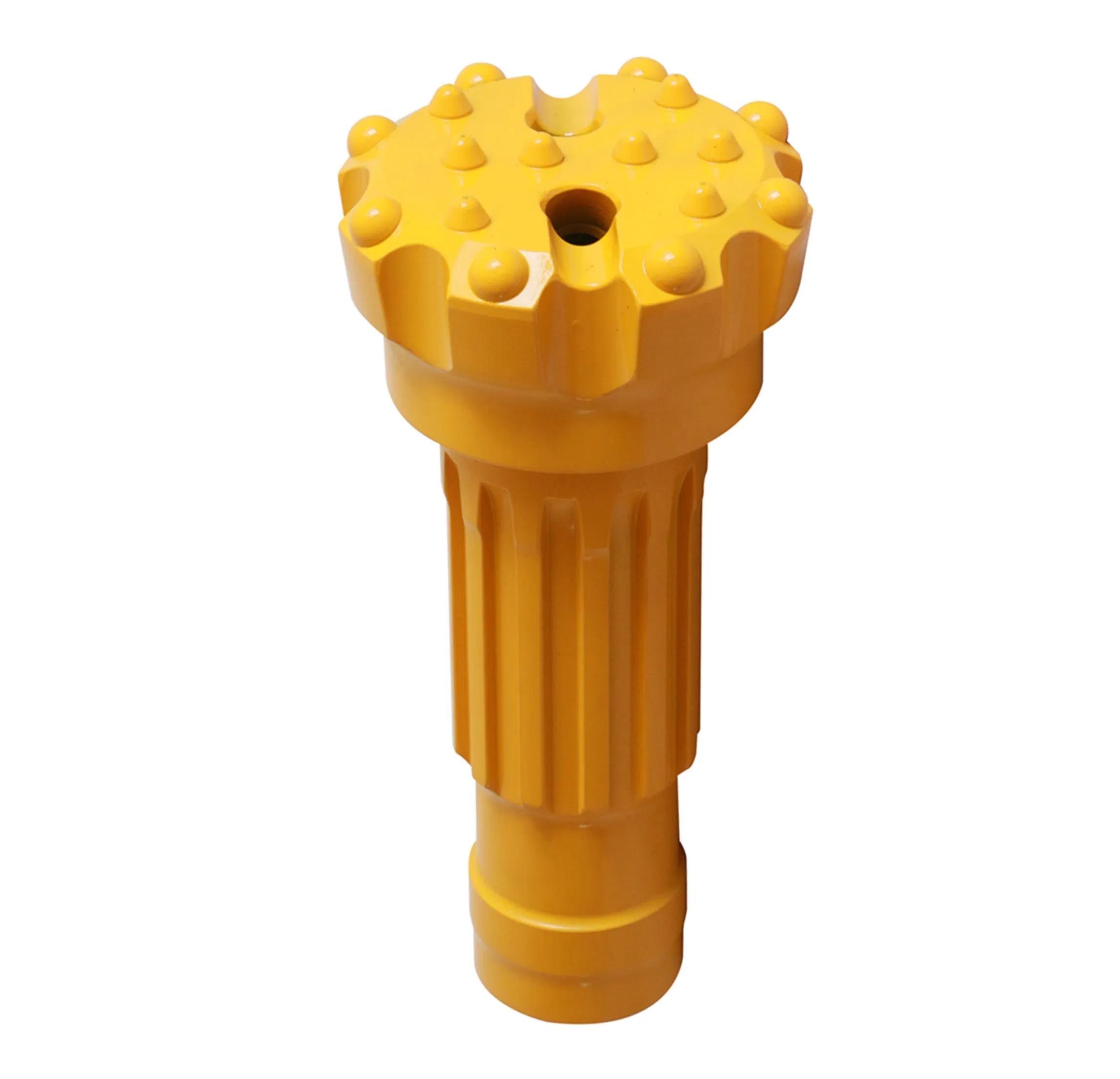
2. DTH Drill Bit
Attached to the hammer and equipped with tungsten carbide buttons that crush and fracture the rock.
3. Drill Pipes
Transfer compressed air and rotational force from the rig to the hammer.
4. Air Compressor
Supplies the high-pressure air required to operate the hammer.
5. Lubricator
Injects oil into the air stream to reduce wear on internal hammer components.
Advantages of DTH Drilling
High Penetration Rates
DTH hammers are highly effective in medium to extremely hard rock formations.
Straight Holes
Since the hammer operates at the bottom of the hole, deviation is minimized.
Greater Depth Capability
Ideal for drilling deep holes compared to top hammer systems.
Lower Energy Loss
Impact energy is delivered directly to the bit rather than through long drill strings.
Reduced Drill String Vibration
Results in longer service life for drilling equipment.
Common Applications
Mining
- Production drilling
- Blast hole drilling
- Open-pit mining
Quarrying
- Bench drilling
- Dimension stone extraction
Construction
- Foundation drilling
- Anchoring
- Road construction
Water Well Drilling
- Borehole drilling
- Geothermal wells
Exploration
- Reverse circulation (RC) drilling
- Geotechnical investigations
DTH Hammer Sizes
| Hammer Size | Hole Diameter Range |
|---|---|
| 2″ Hammer | 64–76 mm |
| 3″ Hammer | 76–95 mm |
| 4″ Hammer | 90–130 mm |
| 5″ Hammer | 115–165 mm |
| 6″ Hammer | 152–203 mm |
| 8″ Hammer | 203–254 mm |
| 10″ Hammer | 254–311 mm |
| 12″ Hammer | 311 mm+ |
Types of DTH Hammers
Low Pressure DTH Hammers
- Operating pressure: 7–10 bar
- Suitable for shallow drilling
- Lower operating costs
High Pressure DTH Hammers
- Operating pressure: 18–35 bar+
- Higher penetration rates
- Ideal for mining and quarrying
Reverse Circulation (RC) Hammers
- Collect drill samples through inner tubes
- Used for mineral exploration and grade control
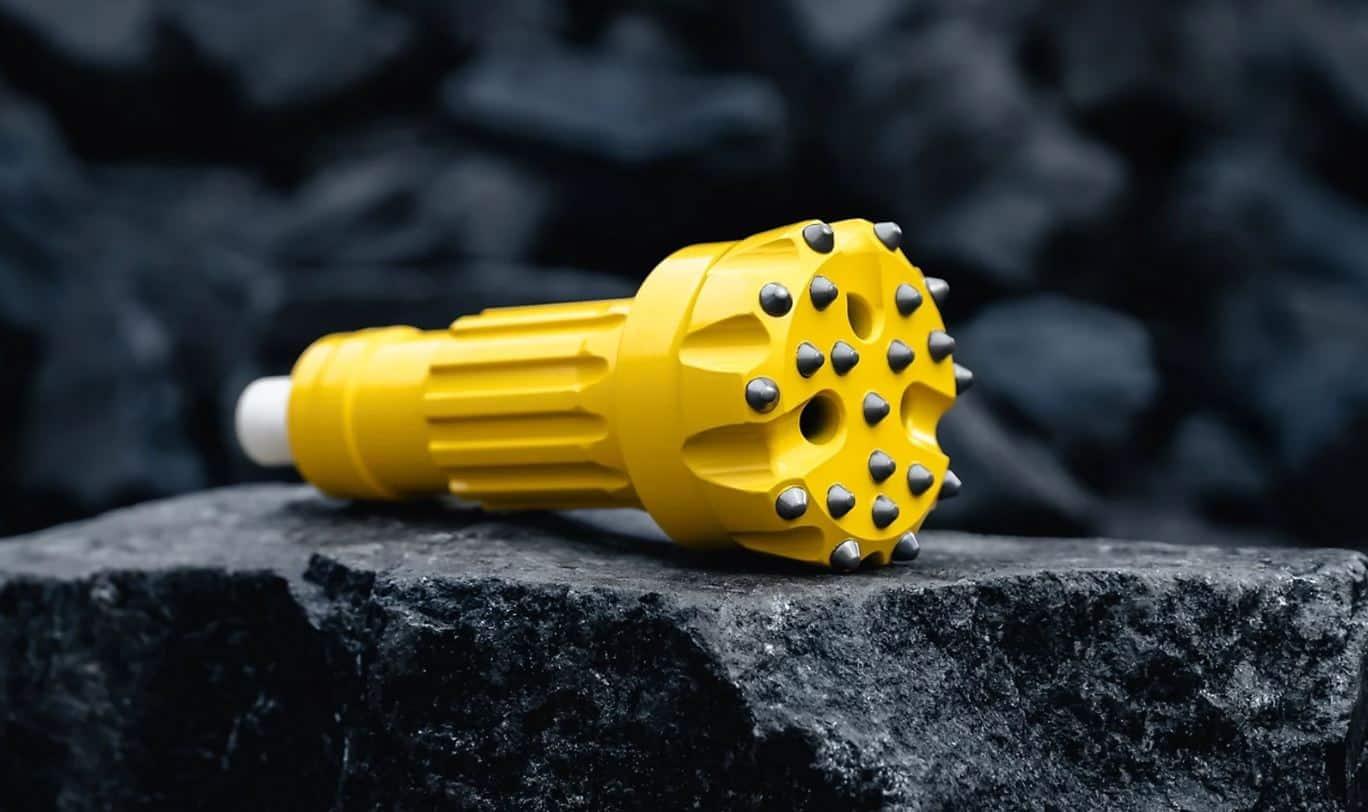
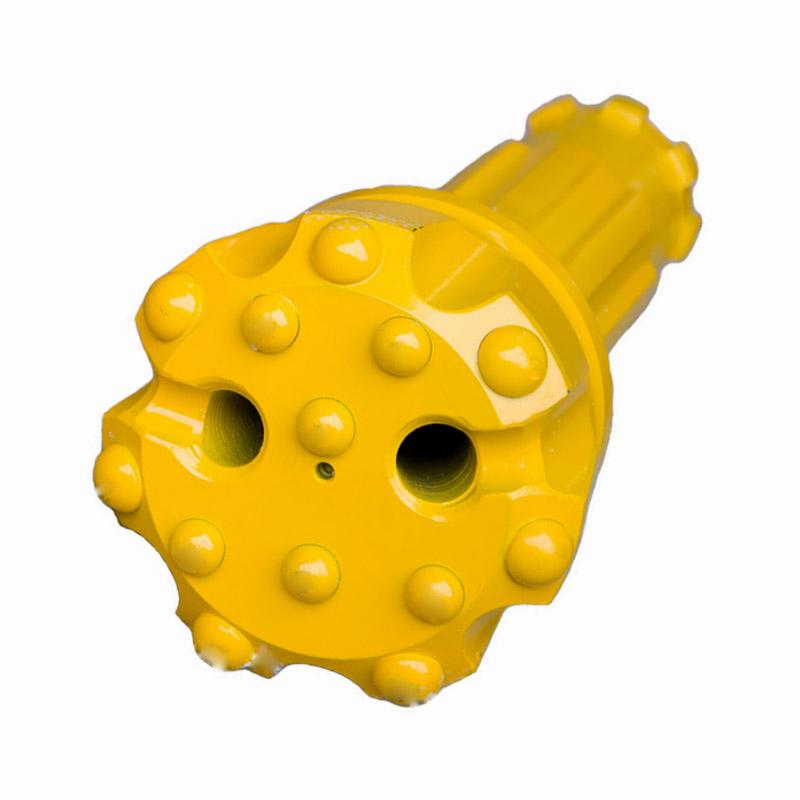
Face Designs
- Flat Face
- Concave Face
- Convex Face
- Drop Center Face
Button Shapes
- Spherical Buttons
- Ballistic Buttons
- Semi-Ballistic Buttons
Bit Materials
- High-grade alloy steel
- Tungsten carbide inserts
Maintenance Tips
- Use the correct hammer oil.
- Maintain proper air pressure.
- Check bit wear regularly.
- Replace worn retaining rings and chuck components.
- Keep air supply clean and dry.
- Inspect pistons and internal parts for wear.
- Store hammers properly when not in use.
DTH vs Top Hammer Drilling
| Feature | DTH | Top Hammer |
|---|---|---|
| Hole Straightness | Excellent | Good |
| Deep Hole Performance | Excellent | Moderate |
| Hard Rock Efficiency | Excellent | Very Good |
| Energy Transfer | Direct | Through drill rods |
| Hole Diameter | Larger | Smaller |
| Maintenance Cost | Moderate | Moderate |
| Drilling Depth | Deep | Shallow to Medium |
Industries Using DTH Hammers
- Mining
- Quarrying
- Civil Construction
- Water Well Drilling
- Geothermal Drilling
- Oil & Gas Support Operations
- Geotechnical Investigation
- Exploration Drilling
DTH hammers remain one of the most productive and cost-effective drilling solutions for hard-rock applications, offering fast penetration rates, excellent hole quality, and reliable performance in demanding mining and construction environments.