Tel: 010 500 7354

Shank Adapters Overview
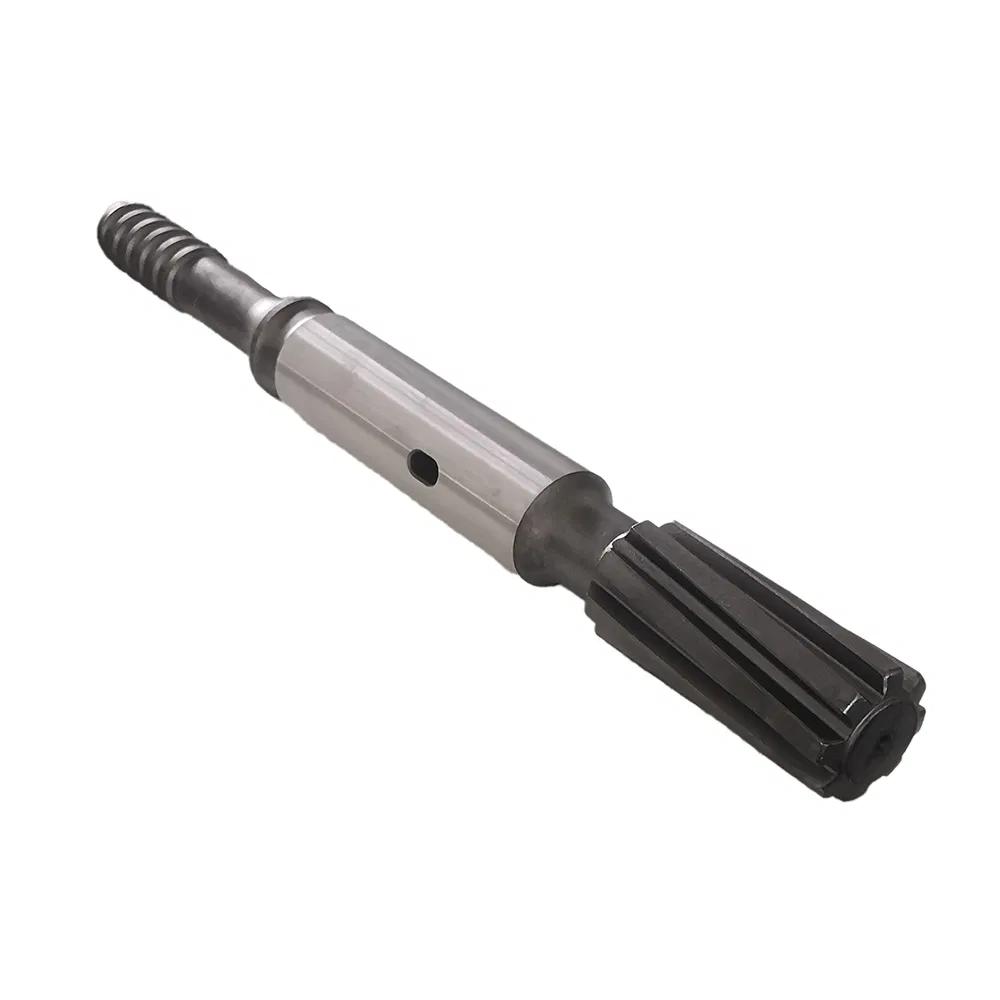
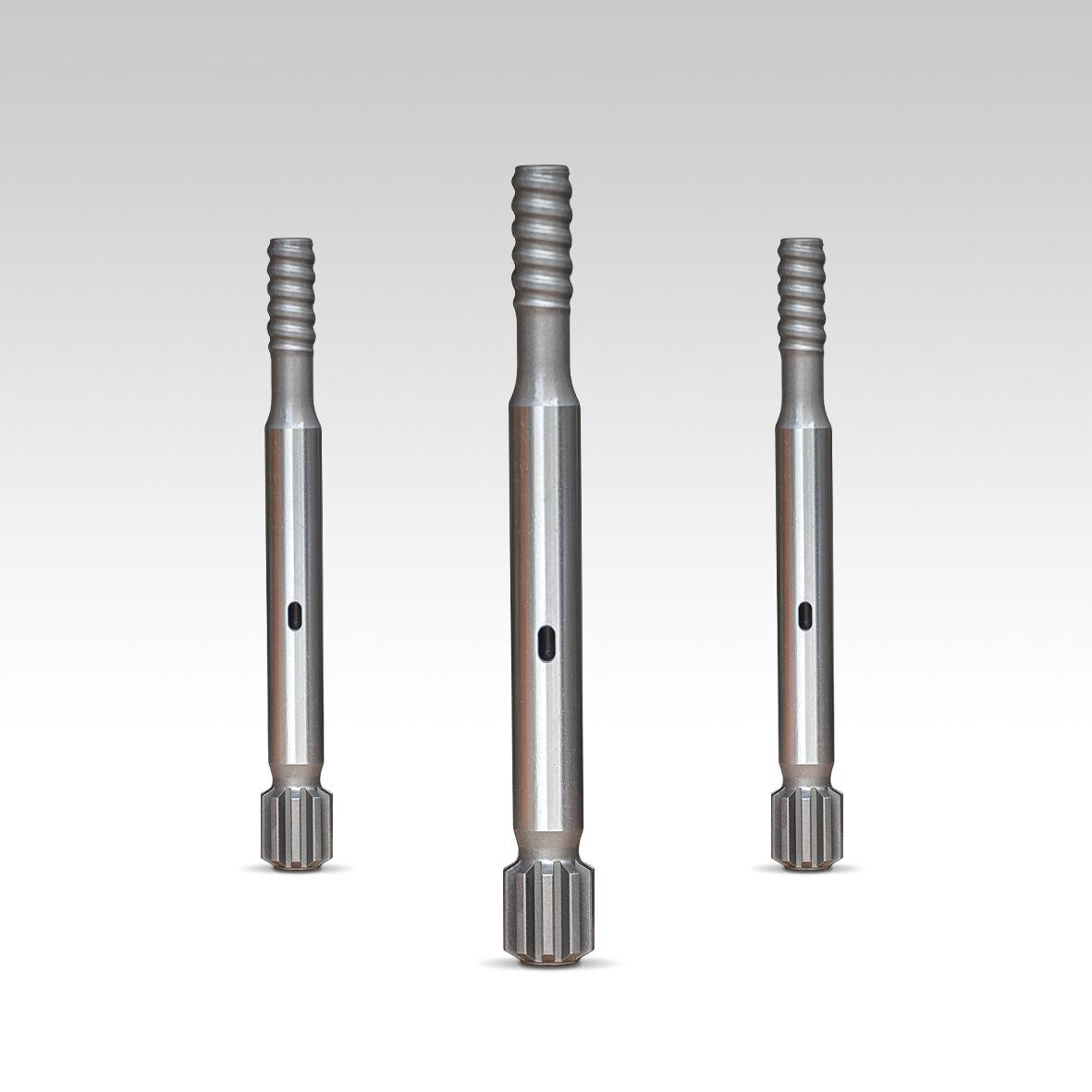
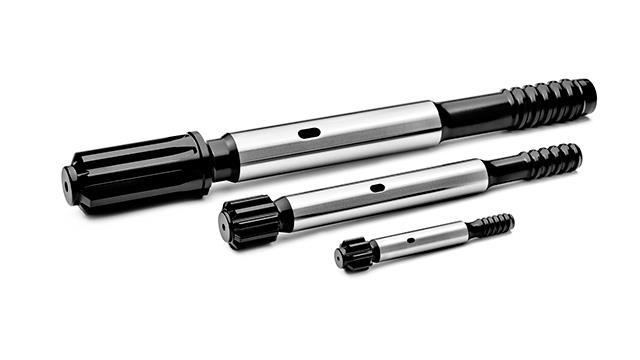
A shank adapter (also known as a striking bar) is a critical component in a top hammer drilling system. It connects the rock drill to the drill string and transfers impact energy, rotation, and feed force from the drill to the drilling tools.
Because the shank adapter is directly connected to the rock drill, it experiences high levels of stress from percussion, rotation, bending, and vibration.
Functions of a Shank Adapter
- Transfers percussion energy from the rock drill to the drill string.
- Transmits rotational torque.
- Transfers feed force to the drill bit.
- Provides a secure connection between the drill and drill rods.
- Helps maintain drilling efficiency and hole accuracy.
How a Shank Adapter Works
The shank adapter is installed between the hydraulic or pneumatic rock drill and the first drill rod.
When the drill operates:
- The rock drill piston strikes the shank adapter.
- Impact energy travels through the adapter.
- Energy is transferred to the drill rods.
- The drill bit receives the energy and breaks the rock.
- Rotation from the drill motor is simultaneously transmitted through the adapter and drill string.
Main Components
Shank End
Connects directly to the rock drill.
Threaded End
Connects to the drill rod or coupling.
Flushing Channel
Allows compressed air or water to pass through for hole cleaning and cooling.
Wear Surface
Specially treated areas designed to withstand repeated impact loading.
Common Thread Types
Shank adapters are manufactured with different thread connections to match drilling systems.
| Thread Type | Common Applications |
|---|---|
| R32 | Light and medium drilling |
| R38 | Underground mining |
| T38 | Surface drilling |
| T45 | Production drilling |
| T51 | Large-hole drilling |
| GT60 | High-performance surface drilling |
Common Rock Drill Brands and Shank Types
Shank adapters are designed specifically for individual rock drill models from manufacturers such as:
- Epiroc
- Sandvik
- Furukawa
- Montabert
- Komatsu
Examples include:
- COP Series Shanks
- HL Series Shanks
- HD Series Shanks
- HC Series Shanks
- Drifter-Specific Shanks
Materials and Manufacturing
Quality shank adapters are typically manufactured from:
- High-grade alloy steel
- Vacuum-degassed steel
- Precision-machined threads
- Heat-treated components
- Surface-hardened wear areas
These manufacturing processes improve fatigue resistance and service life.
Benefits of High-Quality Shank Adapters
Maximum Energy Transfer
Efficient transmission of impact energy improves drilling performance.
Longer Service Life
Premium materials and heat treatment reduce wear and fatigue failures.
Improved Hole Accuracy
Maintains proper alignment between the drill and drill string.
Reduced Operating Costs
Less downtime and fewer replacement parts.
Common Causes of Failure
Shank adapters are exposed to severe operating conditions and may fail due to:
- Excessive percussion force
- Poor thread maintenance
- Misalignment
- Insufficient lubrication
- Overheating
- Metal fatigue
- Corrosion
- Incorrect drilling parameters
Maintenance Tips
- Inspect threads daily.
- Keep connections clean.
- Use recommended thread grease.
- Monitor wear on striking surfaces.
- Check flushing holes for blockages.
- Replace damaged adapters promptly.
- Avoid excessive drilling pressure.
Applications
Shank adapters are used in:
- Surface mining
- Underground mining
- Quarrying
- Tunneling
- Construction drilling
- Bench drilling
- Production drilling
- Long-hole drilling
- Infrastructure projects
Shank Adapter vs Coupling
| Feature | Shank Adapter | Coupling |
|---|---|---|
| Position | Between rock drill and drill string | Between drill rods |
| Function | Transfers energy from drill to rods | Connects drill rods |
| Subject to Impact | Directly | Indirectly |
| Wear Rate | Higher | Moderate |
| Precision Requirement | Very High | High |
Importance in Drilling Operations
The shank adapter is one of the most important components in a top hammer drilling system. A properly selected and maintained shank adapter ensures efficient energy transfer, increased drilling productivity, reduced tool wear, and lower operating costs in mining, quarrying, tunneling, and construction applications.